
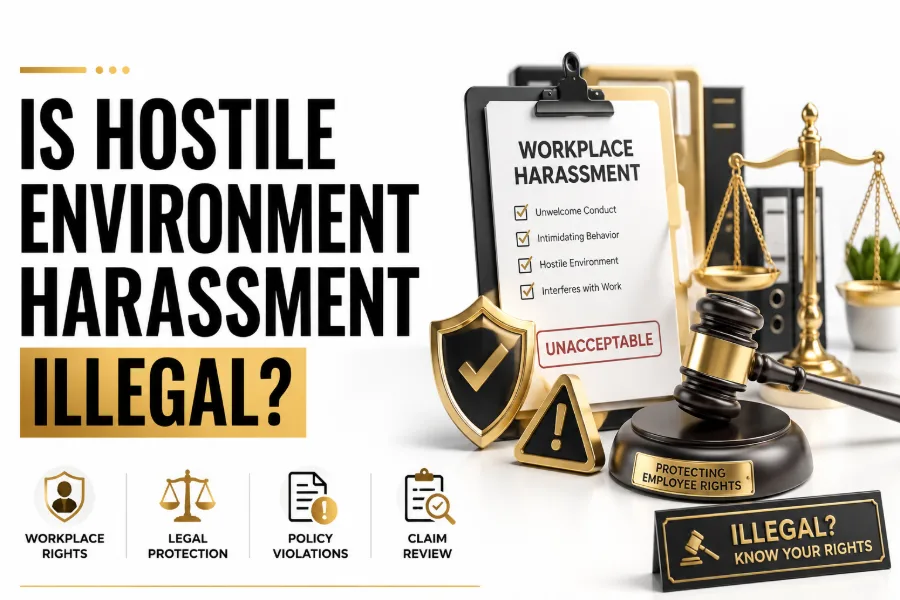
A vhostile work environment is not created by every rude comment, harsh manager, or unpleasant coworker. Is hostile environment harassment illegal when workplace behavior becomes stressful, offensive, intimidating, or emotionally draining. The law usually focuses on harassment connected to protected traits, such as race, sex, religion, national origin, disability, age, pregnancy, or other legally protected categories.
This distinction matters because unfair treatment and illegal harassment are not always the same. A workplace may feel toxic, but the conduct becomes a legal issue when it crosses into protected-basis harassment, retaliation, or another form of unlawful employment discrimination.
Legal Meaning of a Hostile Work Environment
A hostile work environment generally means workplace conduct is severe or repeated enough to change the conditions of employment. The behavior may include insults, slurs, threats, sexual comments, offensive jokes, intimidation, unwanted touching, humiliation, or repeated targeting.
The conduct must usually be connected to a protected characteristic. For example, harassment based on race, sex, pregnancy, religion, age over forty, disability, national origin, or genetic information may violate employment discrimination laws when it affects the workplace.
One isolated comment may not always be enough unless it is extremely serious. However, repeated conduct can become unlawful over time, especially when management knows about the problem and fails to take reasonable steps to stop it.
Key Legal Elements
- The conduct was unwelcome.
- The conduct was based on a protected characteristic.
- The behavior was severe or pervasive.
- The work environment became hostile, intimidating, or abusive.
- The employer knew or should have known in some situations.
- The employer failed to take proper corrective action.
Protected Traits and Workplace Harassment
Hostile environment harassment is most clearly illegal when it targets someone because of a protected trait. This can include race, color, religion, sex, pregnancy, national origin, disability, age, genetic information, or protected activity like reporting discrimination.
Sex-based harassment can include unwanted sexual comments, pressure for dates, sexual jokes, touching, offensive images, or comments about pregnancy. It can also involve harassment that is not motivated by desire but still targets someone because of sex.
Race, religion, national origin, disability, and age harassment may appear through jokes, slurs, stereotypes, mocking accents, offensive symbols, exclusion, repeated insults, or unequal treatment. The exact facts matter because the pattern and context often show why the behavior occurred.
Examples of Protected-Basis Harassment
Harassment may look different in every workplace. Sometimes it is direct and obvious, while other times it appears through repeated comments, unfair targeting, exclusion, or patterns that make one employee feel unsafe or degraded at work.
| Protected Basis | Possible Harassing Conduct |
|---|---|
| Race or color | Slurs, racist jokes, offensive images |
| Sex or pregnancy | Sexual comments, pregnancy insults, unwanted touching |
| Religion | Mocking beliefs, pressure to abandon practices |
| National origin | Accent jokes, ethnic insults, immigration comments |
| Disability | Mocking symptoms, refusing basic respect |
| Age | Repeated age insults toward older workers |
Severe or Pervasive Conduct Standard
The phrase “severe or pervasive” is important in hostile work environment claims. Severe conduct may be serious enough to create a legal problem quickly, while pervasive conduct usually means repeated behavior that builds into an abusive work atmosphere.
A single rude remark is often not enough. However, a serious threat, physical touching, a racial slur from a supervisor, or repeated sexual intimidation may carry more legal weight depending on the facts and workplace context.
Pervasive conduct can involve daily jokes, constant insults, repeated comments, ongoing exclusion, threatening messages, or regular humiliation. The law looks at the total environment, not just one moment, so documentation can be very important.
Difference Between Bullying and Illegal Harassment
Workplace bullying can be harmful, stressful, and unfair, but it is not always illegal. A boss who is rude to everyone, gives harsh criticism, or creates pressure may be a bad manager without necessarily violating discrimination laws.
Illegal harassment usually requires a connection to a protected trait or protected activity. If someone is targeted because of race, sex, religion, disability, pregnancy, age, or because they reported discrimination, the situation may move beyond general bullying.
That does not mean bullying should be ignored. Even when conduct is not illegal discrimination, company policies may still prohibit abusive behavior. Reporting early can help create a record and may prevent the situation from becoming worse.
Practical Difference
- Bullying may involve general mistreatment.
- Illegal harassment is often tied to protected traits.
- Retaliation can be illegal even when the original complaint is disputed.
- Company policy may protect workers beyond minimum legal rules.
- Documentation helps show whether a pattern exists.
Common Examples of Hostile Environment Harassment
Hostile environment harassment may include racial insults, sexual jokes, offensive posters, repeated comments about religion, mocking a disability, pregnancy-related insults, age-based humiliation, or threats connected to a protected identity.
It may also involve unwanted physical behavior. Touching, blocking movement, cornering someone, repeated invasion of personal space, or sexually suggestive conduct can become powerful evidence when it affects the employee’s ability to work safely.
Digital harassment can also matter. Emails, group chats, texts, workplace messaging apps, memes, voice notes, and social media posts may support a hostile environment claim when they are connected to work and target a protected characteristic.
Employer Responsibility in Harassment Cases
Employers are expected to take workplace harassment seriously once they know or should know about it. A company may need to investigate complaints, interview witnesses, review evidence, protect the complainant, and take steps to stop the behavior.
When a supervisor is involved, employer liability can become more serious, especially if the harassment leads to firing, demotion, reduced pay, reassignment, or another negative job action. Supervisor conduct often creates stronger legal concerns than coworker conduct.
For coworker or customer harassment, employer responsibility may depend on notice and response. If management receives a complaint and does nothing, ignores evidence, blames the victim, or allows the behavior to continue, the employer may face legal exposure.
Reasonable Employer Actions
- Taking complaints seriously
- Starting a prompt investigation
- Protecting confidentiality as much as possible
- Interviewing witnesses fairly
- Reviewing messages, emails, and records
- Stopping the harassing behavior
- Preventing retaliation after the complaint
Retaliation After Reporting Harassment
Retaliation is a separate legal issue. An employer generally cannot punish an employee for reporting harassment, supporting another worker’s complaint, participating in an investigation, filing an agency charge, or opposing discriminatory workplace behavior.
Retaliation may include firing, demotion, reduced hours, worse assignments, isolation, discipline, schedule changes, threats, poor references, or sudden negative evaluations. The timing can matter, especially when punishment happens soon after a complaint.
Employees should document retaliation carefully. A harassment complaint and a retaliation claim may be connected, but they are still different issues. Even if the employer denies harassment, punishing someone for making a good-faith complaint can create legal risk.
Evidence That Can Support a Claim
Evidence is often the difference between a weak complaint and a strong case. Employees should save messages, emails, screenshots, photos, calendar notes, HR reports, witness names, medical records, performance reviews, and any written response from management.
A personal timeline can also help. Write down dates, locations, exact words, who was present, how you responded, and how the behavior affected your work. Small details may become important later when memories fade.
Workers should avoid secretly recording conversations without understanding state law and company policy. In some places, recording without consent can create legal problems. Safer evidence often includes written documentation, saved messages, official complaints, and witness information.
Useful Documentation Checklist
- Dates and times of incidents
- Names of people involved
- Witness names and contact details
- Exact words or conduct when possible
- Screenshots, emails, or chat records
- Reports made to HR or managers
- Changes in schedule, pay, or duties
- Medical or counseling records when relevant
Reporting Hostile Environment Harassment
Employees should usually follow the company’s reporting process if it is safe to do so. This may mean contacting HR, a manager, an ethics hotline, a union representative, or another person listed in the employee handbook.
A written complaint is often stronger than a verbal complaint because it creates a record. The complaint should be clear, factual, and specific. It should explain what happened, who was involved, why it appears discriminatory, and what action is requested.
If the harasser is your direct supervisor, report to another authorized person when possible. Many policies allow employees to report harassment outside the normal chain of command, especially when the supervisor is part of the problem.
Internal Complaint Language
A complaint does not need to sound overly legal, but it should be direct. Avoid vague statements like “people are being mean.” Instead, explain that you believe the conduct is harassment based on a protected trait or protected complaint.
For example, an employee may write that repeated comments about race, pregnancy, religion, disability, age, or sex are creating a hostile work environment. Specific examples help HR understand the seriousness and prevent the complaint from being minimized.
The complaint should also mention retaliation concerns if they exist. If your hours were cut, duties changed, or treatment worsened after reporting, include dates and details. This helps separate the harassment issue from any later punishment.
Simple Complaint Structure
- Identify the harassing conduct.
- Explain when and where it happened.
- Name the people involved.
- State the protected basis if known.
- Describe witnesses or evidence.
- Explain how work was affected.
- Request investigation and protection from retaliation.
Filing an External Charge
If the employer does not fix the problem, an employee may consider filing a discrimination charge with the proper agency. In many workplace discrimination cases, filing with an agency is required before a lawsuit can move forward.
Deadlines are important. Employees should not wait too long because harassment claims often have strict filing time limits. The exact deadline may depend on the state, local agency rules, employer size, and type of discrimination claim.
A lawyer can help review whether the case should be filed with the EEOC, a state agency, or another forum. A workplace harassment lawyer can also help organize facts and avoid deadline mistakes.
Damages in Hostile Work Environment Claims
Compensation in a hostile environment case depends on the harm caused and the legal claims available. Possible damages may include lost wages, emotional distress, medical expenses, job reinstatement, policy changes, attorney fees, or other remedies.
If retaliation caused job loss, reduced hours, or blocked promotion, lost income may become a major part of the claim. Emotional distress damages may also apply when harassment caused anxiety, depression, sleep problems, fear, or other serious effects.
Some cases may involve punitive damages when an employer acted with serious disregard for employee rights. However, damages depend on evidence, employer size, legal limits, jurisdiction, and the strength of the employee’s documentation.
Possible Claim Remedies
| Remedy Type | Meaning |
|---|---|
| Back pay | Lost wages from unlawful treatment |
| Front pay | Future wage loss in some cases |
| Emotional distress | Harm from stress, fear, humiliation |
| Policy changes | Workplace corrections or training |
| Attorney fees | Legal fees allowed in some claims |
| Punitive damages | Additional damages in serious cases |
Mistakes Employees Should Avoid
One mistake is waiting too long to report harassment. Delayed reporting can make it harder to prove the employer knew about the problem. Early reporting also gives the company a chance to correct the situation before it worsens.
Another mistake is deleting evidence. Employees may delete messages because they feel embarrassed or want to move on. However, saved emails, screenshots, texts, photos, and complaint records can become essential proof if the employer denies what happened.
A third mistake is quitting without advice. Sometimes quitting may be understandable, especially when work feels unsafe. However, leaving the job can affect legal strategy and damages. Speak with an employment lawyer before making major decisions.
Role of an Employment Lawyer
An employment lawyer can help decide whether the facts meet the legal standard for hostile environment harassment. This review may include protected status, severity, frequency, employer knowledge, retaliation, damages, and available evidence.
A lawyer can also help draft complaints, communicate with the employer, file agency charges, negotiate settlement, and prepare a lawsuit if needed. Legal support is especially helpful when the employer denies the problem or blames the employee.
Employees should seek advice quickly if they were fired, demoted, threatened, suspended, or pressured to resign after reporting harassment. Those actions may create retaliation claims that need fast documentation and deadline protection.
Conclusion
Understanding is hostile environment harassment illegal helps employees separate ordinary workplace conflict from unlawful harassment. A hostile work environment may be illegal when the conduct is based on a protected trait and becomes severe or pervasive enough to affect work conditions.
Not every rude comment or toxic workplace is automatically unlawful. The strongest claims usually involve protected-basis conduct, repeated incidents, serious behavior, employer notice, poor corrective action, or retaliation after a complaint.
Employees should document incidents, report through proper channels, save evidence, and watch deadlines closely. If the situation continues or punishment follows a complaint, legal advice can help protect workplace rights and possible claims.
FAQ
Is every hostile workplace illegal?
No, every hostile workplace is not automatically illegal. The conduct usually must be tied to a protected characteristic or protected activity. General rudeness, favoritism, or poor management may be unfair but not always unlawful harassment.
What makes harassment severe or pervasive?
Harassment may be severe because one incident is extremely serious, or pervasive because repeated conduct creates an abusive workplace. Courts and agencies often review frequency, seriousness, context, threats, humiliation, and impact on work.
Can a coworker create a hostile work environment?
Yes, a coworker can create a hostile work environment if the harassment is based on a protected trait and the employer fails to respond properly after learning about it. Employer knowledge and corrective action are important factors.
Is retaliation illegal after reporting harassment?
Yes, retaliation for reporting harassment or participating in an investigation can be illegal. Retaliation may include firing, demotion, reduced hours, discipline, threats, worse assignments, or other negative actions connected to the complaint.
Should I report harassment in writing?
A written complaint is usually helpful because it creates a record. The complaint should include dates, people involved, examples, witnesses, protected-basis details, and a clear request for investigation and protection from retaliation.